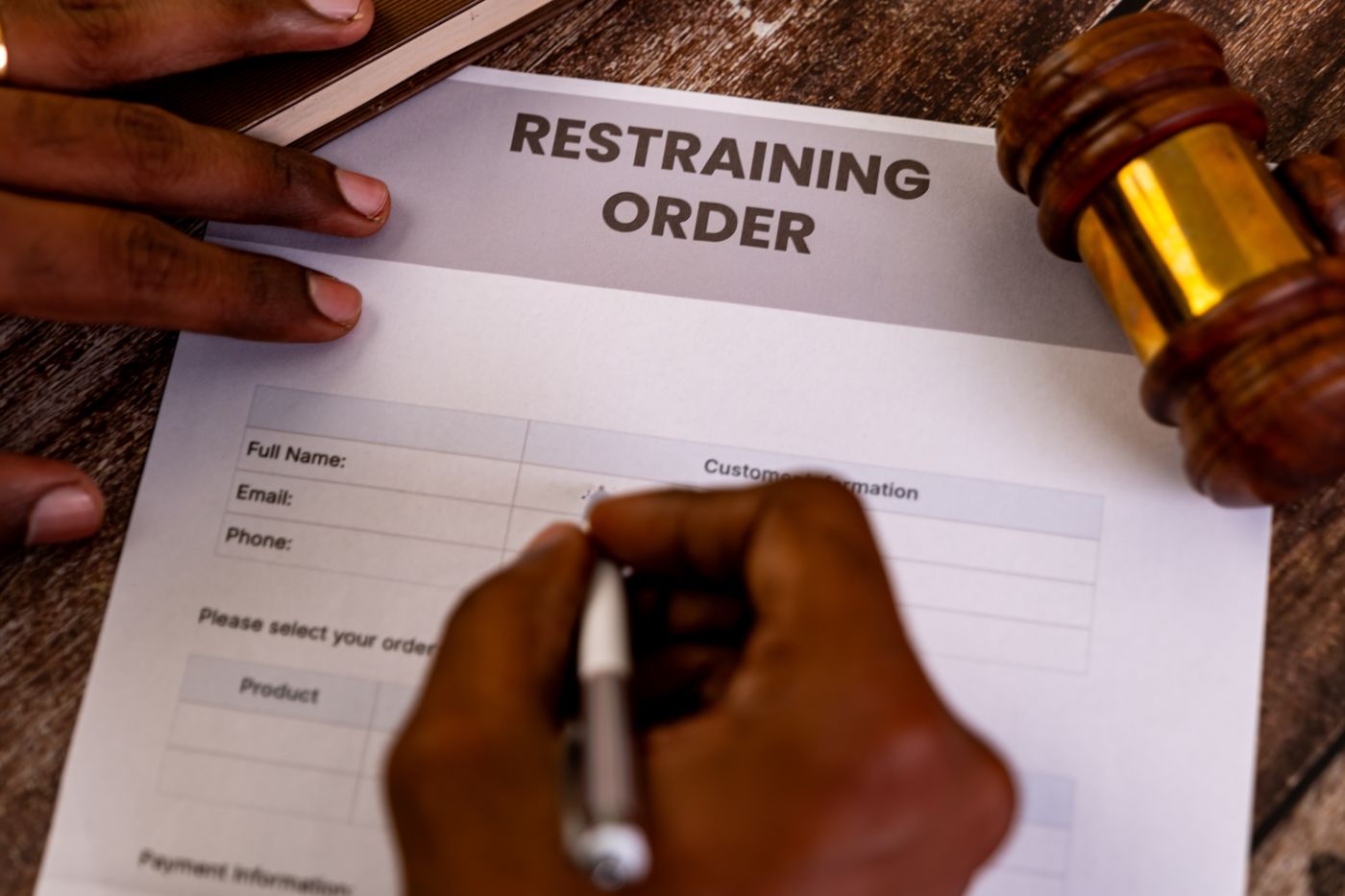
A Guide to Filing for Protective Orders in Family Law Cases

If you're seeking a protective order because of family violence in Texas, you can generally file in the county where you live, where the other person lives, or where the alleged violence occurred. If there is a clear and present danger of family violence, you can also ask the court for temporary protection while you wait for a hearing.
Protecting yourself and your children may be your immediate priority. Understanding the protective order process can help you decide what to do next and prepare for the court proceedings ahead.
At Thaler Law, we help clients pursue protective orders with urgency and care, from requesting temporary relief when appropriate to preparing a clear, well-documented case for a hearing. We also help coordinate protective order matters with related divorce and custody proceedings. Call us to schedule a consultation.
A protective order is a civil court order that can restrict someone's actions to protect another person from family violence. Texas law also provides protective orders for certain other conduct, including stalking, sexual assault, and trafficking.
Under Texas law, family violence can include conduct intended to result in physical harm, bodily injury, assault, or sexual assault. Certain threats that reasonably place someone in fear of imminent physical harm, bodily injury, assault, or sexual assault may also qualify.
Protective orders are different from criminal charges, although the same conduct can sometimes result in both civil and criminal proceedings. Depending on the circumstances, a protective order may restrict communication, prohibit someone from going near certain locations, or impose other conditions intended to protect you and your family.
You don't necessarily have to be married to the person you're seeking protection from. Texas family-violence law applies to qualifying family and household relationships as well as dating relationships.
Depending on the circumstances, an adult member of a family or household may apply for protection for themselves or another member. A prosecuting attorney or the Texas Department of Family and Protective Services may also file an application in certain cases.
You do not have to hire a private attorney to file an application for a protective order. However, having legal representation can help you understand what information the court needs, prepare your evidence, and present your position at the hearing.
The type of protection available can depend on your circumstances and where you are in the process.
Temporary ex parte orders: If the court finds a clear and present danger of family violence, a judge may issue a temporary ex parte order without first notifying the other party or holding a full hearing. These orders generally remain effective for up to 20 days and may be extended.
Final protective orders: After a hearing, the court determines whether family violence has occurred. If the court makes that finding, it must issue a protective order against the person found to have committed family violence. A protective order generally lasts for the period stated in the order, up to two years, although Texas law allows longer orders in certain circumstances.
A magistrate may also issue a separate emergency protection order following certain arrests, including arrests involving family violence. This is different from the civil protective order process discussed above.
While every case is different, most requests for family-violence protective orders follow the same basic process.
Complete the application: Explain what happened and provide the information required by the protective order application. If you are seeking temporary protection, detailed information about the alleged family violence and need for immediate relief can be especially important.
File with the appropriate clerk: You can generally file in the county where you live, where the respondent lives, or where the alleged family violence occurred.
Ask for temporary relief if needed: If there is a clear and present danger of family violence, you can request a temporary ex parte order.
Prepare for the hearing: Texas law generally requires the hearing to be set no later than 14 days after the application is filed, although exceptions may apply. The respondent must receive the required notice.
Receive the court's ruling: At the hearing, the court considers the evidence and determines whether family violence occurred. If it makes that finding, the court must issue a protective order against the person found to have committed family violence.
We guide you through each stage, from preparing the application and organizing relevant evidence to representing you at the hearing.
Protective orders may overlap with divorce or custody proceedings when family violence affects the same family. Texas courts consider evidence of family violence when making certain decisions involving conservatorship, possession, and access.
Depending on the circumstances, family violence may affect parenting arrangements, visitation, exchanges, and other decisions involving your children.
At Thaler Law, we handle child custody matters and protective order cases. When these issues overlap, we can evaluate how the protective order may affect your broader family-law case and help you address the related proceedings consistently.
Violating certain provisions of a Texas protective order can result in criminal charges. A violation under Texas Penal Code § 25.07 is generally a Class A misdemeanor. The offense can become a third-degree felony in certain circumstances, including when the defendant has two or more previous convictions under that section or violates the order by committing an assault.
If you believe someone has violated your protective order, document what happened when it is safe to do so and contact law enforcement. If you are in immediate danger, call 911.
Protective order cases can move quickly, and the information presented to the court may affect your safety, your children, and related family-law matters. Whether you're seeking protection or responding to an application, we can help you understand the process, prepare your evidence, and determine the next steps.
Located in Georgetown, Texas, our family law attorneys serve clients throughout Travis, Bell, Burnet, Hays, Bastrop, Bexar, Lampasas, Milam, and McLennan Counties. We represent clients seeking and responding to protective orders and help address related family law concerns. Contact us at Thaler Law today to discuss your situation and your legal options.