Blog
A Guide to Filing for Protective Orders in Family Law Cases
A Guide to Filing for Protective Orders in Family Law Cases
If you're filing for a protective order in Texas, you (or an attorney, prosecutor, or in some cases a family member) can file an application with the district or county clerk in the county where you live, where the other person lives, or where the violence happened.

What Evidence Is Needed to Support a Temporary Restraining Order Request?
What Evidence Is Needed to Support a Temporary Restraining Order Request?
To support a Temporary Restraining Order (TRO) in Texas, you need clear, specific facts, not just general worry, that show the court immediate action is needed. For common requests, like freezing a shared bank account or stopping a child's school from being changed, simply explaining the situation in your petition is often enough.
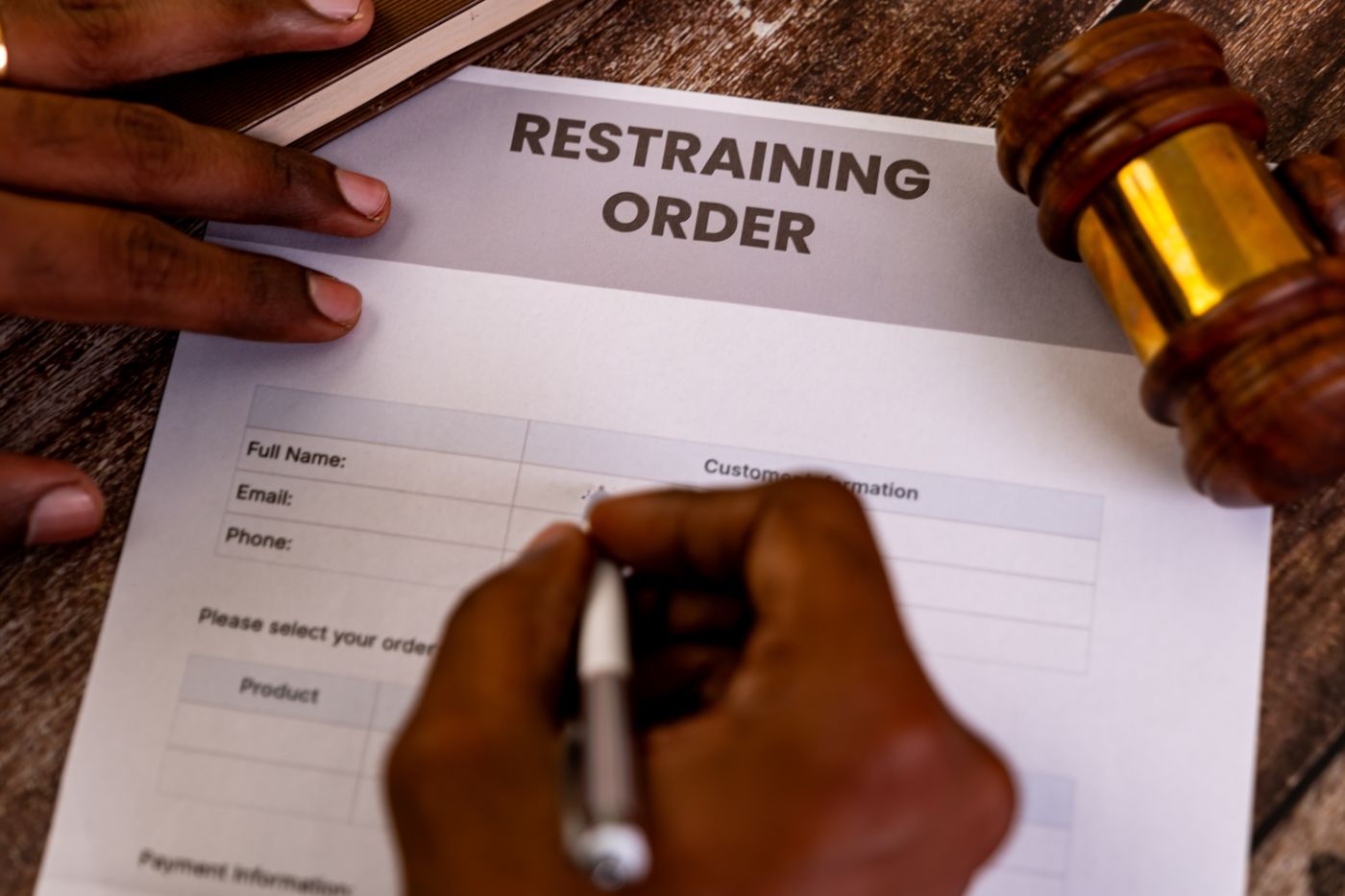
Key Steps to Enforce a Court Order When a Party Fails to Comply
Key Steps to Enforce a Court Order When a Party Fails to Comply
Court orders exist to bring stability and safety to people's lives, and when someone disregards one, that stability can feel like it's slipping away all over again. Whether the order involves child custody, visitation, or a protective order meant to keep someone safe from harm, noncompliance can leave you feeling frustrated, unheard, and unsure of what to do next.

How Can Divorce Decrees Be Modified After a Significant Change in Circumstances?
How Can Divorce Decrees Be Modified After a Significant Change in Circumstances?
Life doesn't stay the same after a divorce is finalized, and the terms that made sense at the time don't always hold up years later. A job loss, a move, a child's changing needs, or a new relationship can shift the ground underneath a custody arrangement or support order almost overnight.

Enforcing Court Orders: What to Do If Agreements Are Ignored
Enforcing Court Orders: What to Do If Agreements Are Ignored
Going through a custody battle or divorce is incredibly taxing on your emotions and finances. Once the judge signs the final decree, you naturally expect a sense of relief and a chance to rebuild your life. However, when an ex-spouse ignores the agreed-upon terms, that peace is shattered instantly.

What Factors Influence Custody Decisions in Contested Divorce Cases?
What Factors Influence Custody Decisions in Contested Divorce Cases?
Divorce changes everything, especially the lives of your children. Standing in a courtroom fighting for the right to raise your kids feels exhausting and deeply personal. It's normal to feel anxious about how a judge will view your parenting and what your future family will look like.

Exploring Non-Parental Rights: When Grandparents or Guardians Seek Custody
Exploring Non-Parental Rights: When Grandparents or Guardians Seek Custody
Families often face situations where a child’s care is disrupted, and grandparents or other caregivers step in to provide stability and support. These moments can be emotionally heavy, especially when parents are unable or unfit to provide safe care.

Common Challenges in Enforcing Visitation or Custody Agreements
Common Challenges in Enforcing Visitation or Custody Agreements
Family relationships can feel especially fragile when custody agreements are in place but not consistently followed. When one parent or guardian doesn’t comply with a custody order, it can create confusion, stress, and emotional strain for everyone involved—especially the children who depend on stability and routine.

How TRO Violations Are Handled by the Court
How TRO Violations Are Handled by the Court
Facing a legal situation involving a temporary restraining (TRO) order can feel overwhelming, especially if you’re unsure what happens next. Whether you believe an order has been violated or you’ve been accused of violating one, the uncertainty can create stress, confusion, and even fear about what the future holds.

When and How Spousal Support or Child Support Can Be Modified
When and How Spousal Support or Child Support Can Be Modified
Life doesn’t stay the same after a divorce or support order is finalized. Jobs change, incomes shift, children grow, and unexpected challenges can come up at any time. What once felt like a manageable agreement may no longer reflect your current situation, leaving you wondering whether anything can be done to adjust it.